Protect Your Home with Expert Foundation Waterproofing Service

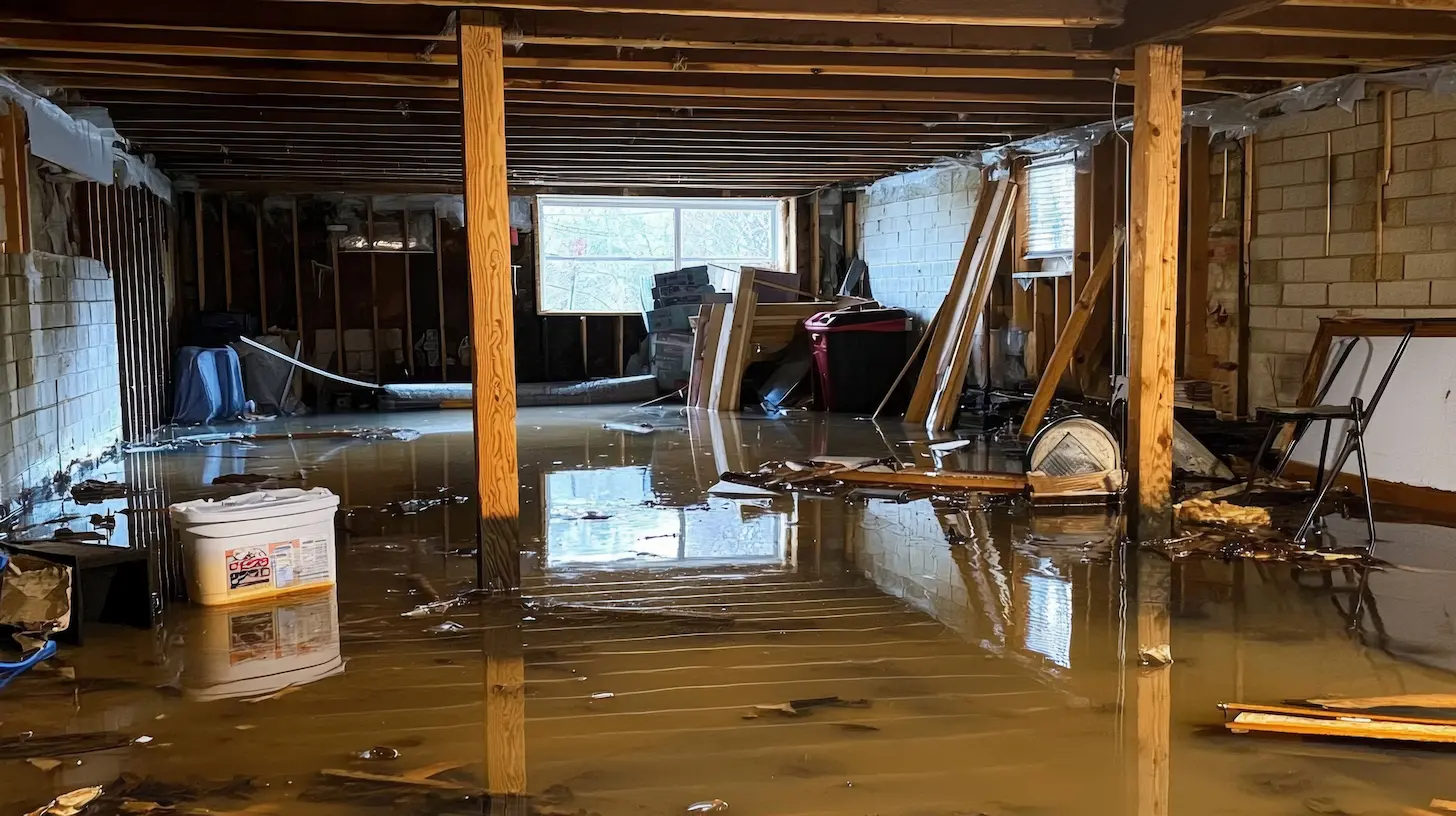
Every homeowner eventually has a conversation with water. Sometimes it is a musty whiff in the basement after a storm. Sometimes it is a thin white crust on block walls, or a hairline crack that quietly widens over a winter. Water is patient, and concrete is not as unyielding as it looks. The right foundation waterproofing service does not just keep a basement dry, it protects the structure, preserves indoor air quality, and safeguards the investment that took decades to build.
I have walked into crawlspaces where the air tasted metallic from long standing moisture, and into polished lower levels where the only hint of trouble was a faint ring of efflorescence behind a storage rack. Both needed attention. Both would have benefited from early, methodical waterproofing. If you are in or near West Caldwell, NJ, the case is even stronger. The region gets 45 to 50 inches of rainfall a year on average, plus snowmelt that turns saturated soils into sponges each spring. Clay and silt rich soils around Essex County hold water, exert lateral pressure, and creep into any unprotected seam. That is exactly where expert planning earns its keep.
Why the stakes are higher than a little dampness
Water intrusion starts small. It ends with structural movement, ruined finishes, rusted mechanicals, and indoor health problems that are stubborn to fix. A damp basement is not just an inconvenience, it is a system wide stressor.
Moisture raises humidity and feeds mold, which spreads in quiet pockets under stairs and behind insulation. It corrodes steel posts and sill plates. It causes wood to swell, jam doors, and open gaps at trim. Hydrostatic pressure on the outside face of a foundation rises as the surrounding soil saturates, and that force pushes on every weak point, from cold joints to hairline shrinkage cracks.
When you add freeze thaw cycles, you get a slow chisel effect along unprotected concrete. Each winter, microscopic ice growth in pores opens pathways just enough for the next rain. If you have a finished lower level with carpet or wood floors, the first sign you see might be cupping boards or a musty edge along the baseboard. If you keep a furnace or water heater down there, a hidden leak and high humidity can accelerate rust and cut service life by years. These are not theoretical risks. I have seen brand new appliances lose their sheen in a single wet season.
Reading the early signs before they become big problems
You do not need specialized gear to spot trouble. A flashlight, a finger to press along suspicious lines, and a nose for dampness tell a lot. Keep it simple and consistent by walking the perimeter after heavy rain. If you want a quick field guide, use the shortlist below.
- White powdery deposits on walls, called efflorescence, especially in vertical streaks.
- A stale, earthy odor that lingers even on dry days.
- Paint blistering or peeling near the slab line or baseboard.
- Hairline cracks that darken after rainfall.
- Puddles or darkened concrete where the floor meets the wall.
Any one of these suggests a conversation worth having with a basement waterproofing service. Find out what is driving the moisture and decide on the right fix, not the flashiest one. A foundation waterproofing service will trace the path water takes, not just patch the point where it shows up.
Local context matters in West Caldwell, NJ
Waterproofing is not a one size fits all https://ardwaterproofing.com/ discipline. In West Caldwell and surrounding towns, the mix of housing ages is wide, from mid century block walls to newer poured concrete foundations with modern drainage. The topography includes gentle slopes that channel surface flow toward low lying backyards. Many properties have downspouts that discharge too close to the house, which means saturated soil right where you do not want it. Winters bring thaw cycles that push water into soil voids, then freeze, increasing pressure on walls. The municipal code environment is straightforward, yet permitting may apply when work affects exterior grading, ties into the storm system, or involves significant excavation. An experienced waterproofing service in West Caldwell, NJ understands which solutions comply with local requirements and how to stage work so neighbors and fences do not become obstacles.
Interior vs exterior strategies, and when to choose each
There are two big families of waterproofing approaches. Interior systems manage water that has already reached the foundation, while exterior systems block or divert it before it can build pressure. Both have a place. The art lies in matching the method to the building, the soil, and the owner’s expectations.
Interior water management typically includes perimeter drains cut into the slab edge and tied to a sump basin with a reliable pump. It may involve negative side waterproofing coatings on walls, crack injections with epoxy or polyurethane, and vapor barriers behind finished walls. These systems shine when excavation is not practical because of tight lot lines, mature landscaping, or patios and decks you do not want to disturb. They also work well for older block foundations where wall coatings alone are not enough. The downside is that interior methods accept that water will reach the wall, so they focus on controlling it and keeping the space usable. Done properly, they dry the basement, protect finishes, and lower humidity.
Exterior waterproofing, the classic foundation waterproofing service, means excavating down to the footer, cleaning the wall, repairing cracks, applying a waterproof membrane, adding a protection board, and reinstalling or upgrading the footer drain in washed stone. It also means correcting grading and extending downspouts well away from the foundation, typically 8 to 12 feet, or into a pop up emitter in the yard. Exterior work addresses the cause, not just the symptoms. It reduces hydrostatic pressure, protects the wall face, and dramatically cuts water entry risk. The trade off is cost and disturbance. You dig up shrubs and move soil, sometimes across driveways or hardscape. On tight city lots, it may not be possible to go all the way around. That is where hybrid approaches come in.
Hybrid solutions might pair exterior work on the worst exposure side with an interior drain on the rest. Or they include a surface drainage plan, like a shallow swale and regraded soil, that eliminates most of the water load so a small interior system handles the occasional spike. No single recipe fits every home. A seasoned basement waterproofing service in NJ evaluates the whole site before recommending one.
Understanding your foundation type
Poured concrete, concrete block, stone, and even insulated concrete forms all behave differently in the presence of water.
Poured concrete is relatively dense, with predictable crack patterns that can be routed and injected. It responds well to exterior membranes when the surface is cleaned and primed. Block walls have hollow cores and mortar joints that leak in a different way. Water can travel inside the block cells and emerge as a line of dampness at the floor or in the middle of a wall. For block foundations, pressure relief at the base through a weep detail into an interior drain, plus an exterior membrane if accessible, is ideal. Stone foundations often benefit from repointing and lime based mortars that handle moisture vapor without trapping it, combined with thoughtful grading and drainage outside.
If your basement is finished, you will need selective demolition to access problem areas. When I open a wall behind a baseboard and find foil backed insulation pressed against damp block, I already know we will be rethinking the assembly. Vapor barriers belong on the warm side in winter climates, but not in contact with wet masonry. A small detail, big difference.
The anatomy of a professional waterproofing service
Homeowners sometimes imagine crews arrive, dig, slap on a coating, and leave. A real foundation waterproofing service is more deliberate. It follows a sequence that builds from diagnosis to durable fix, with accountability at each stage.
- Investigation and mapping of water paths inside and outside, including downspout discharge tests and hose tests where safe.
- Selection of strategy, material specifications, and any permits, with a sketch and scope you can understand.
- Surface preparation, crack repair, and membrane or drain installation, using methods matched to your wall type.
- Discharge design, including sump sizing, pump selection, check valves, and exterior discharge routing with freeze protection.
- Commissioning and handoff, with a water test if feasible, maintenance guidance, and documentation of what was installed.
This is the kind of structure you should expect if you call a basement waterproofing service in NJ with a strong reputation. It is not fussy, it is responsible. If a contractor skips steps, pushes a single product for every home, or cannot explain how water will leave your property after it is collected, keep looking.
Materials that last, and why they matter
Walk down an aisle full of coatings and your head will spin. Bituminous emulsion, elastomeric membranes, cements, crystalline growth products, bentonite panels. All of them have a place, not all of them have a place on your wall.
Elastomeric membranes remain flexible as the foundation moves slightly over seasons. Applied in liquid form and reinforced with mesh at corners and penetrations, they resist cracking. Peel and stick sheet membranes offer uniform thickness and quick coverage if surfaces are properly primed and smoothed. Bentonite panels swell when wet and can self seal small punctures, but they need confinement and careful detailing around joints. Crystalline waterproofers penetrate concrete and form insoluble crystals that block capillaries from within, excellent as a secondary measure on poured walls, less helpful on block.
For interior crack injection, flexible polyurethane fills an actively leaking crack and expands into the void, while structural epoxy binds a dormant crack and can restore some cross section strength. The choice depends on whether the crack is moving and whether the wall bears load.
Drainage media matters too. Washed stone around the footer drain reduces fines that clog perforations. A high quality filter fabric separates stone from native soil. A true schedule 40 PVC or heavy duty HDPE pipe outlasts thin corrugated tubing that collapses under backfill. These are not glamorous upgrades, they are the ones that keep a system working in year ten.
What it typically costs, and where the money goes
Pricing depends on access, scope, and finish. An interior perimeter drain with sump in a typical single family basement might run from the mid four figures to the low five figures, usually influenced by linear footage, number of corners and obstacles, and pump quality. A full exterior excavation and membrane system can start in the low five figures and climb with depth, landscaping restoration, and driveway or patio removal and replacement. If you only need targeted work along one wall, costs scale down, but fixed costs like mobilization and disposal still apply.
It helps to understand where each dollar lands. Labor and equipment time dominate excavation work. Materials, particularly quality membranes, protection boards, stone, and piping, are a clear second. On interior jobs, concrete demo and replacement, plus finishing touches like tying new floor edges to existing slab, drive price more than the pump itself. When you receive quotes, ask contractors to break out these elements so you can compare apples to apples. The cheapest bid often hides thin materials or shortcuts on discharge routing.
A brief case from the field
A family in West Caldwell moved into a 1960s home with a partially finished basement. After the first spring storm, they noticed a line of damp carpet along the back wall. The downspouts ended in short splash blocks, and the backyard pitched gently toward the house after years of mulch and leaf buildup. The block foundation showed efflorescence at mid height, with a darker band near the base.
Rather than rush into a full dig, we ran a hose test on the rear downspouts and watched water bubble up at the base of the wall inside within minutes. We regraded a 12 foot wide strip to create a shallow swale, extended downspouts underground to pop up emitters 15 feet from the house, and installed an interior perimeter drain along the rear and half the side wall with a sealed sump basin and a 1/2 HP primary pump. We left the front and opposite side alone. A follow up storm dropped two inches of rain in a day. The sump cycled every six to eight minutes during the peak, then slowed. The carpet stayed dry. No excavation through mature plantings, no guessing. A year later, we added a battery backup to the sump after a neighborhood outage reminded everyone that water does not care if the lights are on.
That is a hybrid approach, shaped by site constraints and budget. It worked because the diagnosis matched the fix.
Preventive maintenance that actually matters
Once your system is in, treat it like the rest of your home infrastructure. Test the sump pump a few times a year by filling the basin until the float triggers. Listen for smooth operation and a solid discharge line without gurgling at the check valve. Clean the downspout strainers and confirm discharge points open freely. Walk the basement perimeter after major storms and during a cold snap thaw to check for new cracks. If you had a coating applied, keep an eye on corners and around penetrations, such as utility conduits, for any reappearance of dampness. Maintenance should be light and predictable. If you find yourself babysitting a system, something in the initial design might need a second look.
What to ask before you hire
Choosing the right waterproofing service can feel like translating dialects of the same language. You will hear about lifetime warranties, proprietary systems, and guaranteed dry basements. Warranties are only as good as the company behind them. Ask for local references from at least two seasons ago. Verify whether the warranty covers only the product, only the labor, or both, and whether it transfers to a new owner.
Permit awareness is a quiet litmus test. A solid basement waterproofing service in West Caldwell, NJ knows when permits apply and will obtain them without drama. Insurance documents should be current, and you should be named as an additional insured for the duration of the job. Demand specificity on materials, including brand and model of pumps, membrane type, pipe schedule or rating, and the size and depth of stone beds. Confirm that discharge lines are protected from freezing if they run outside, with a gravity bypass or dedicated freeze relief detail. If a contractor is vague, it often means the job will be too.
The role of landscape and surface drainage
Many wet basements result from mistakes above ground. If a mulch bed slowly rises over the years, it can bridge the gap between siding and grade, channeling water behind cladding and into the foundation line. A patio that tilts half a degree the wrong way will funnel thousands of gallons toward the house every season. Before you cut concrete or dig a trench, look at the first five to ten feet around your perimeter. The correct soil slope away from the house is roughly one inch per foot for at least five feet, more if the soil is less permeable.
Gutter capacity matters as well. A typical 2,000 square foot roof in a one inch storm dumps over 1,200 gallons of water. If your gutters are undersized, water will sheet off the eaves and beat a trench into the soil at the drip line. That trench holds water against the foundation wall. Install larger downspouts if necessary and add more of them to avoid overloading any single run. Then get that water away from the house. An extension you remove each time you mow will spend more time tucked against the foundation than you like. Buried lines to daylight or to a proper dry well are worth the effort.
Health and indoor air benefits that often get overlooked
Dry foundations do more than protect framing. They keep your indoor air healthier. Mold does not need standing water to grow. It likes relative humidity over 60 percent, cellulose to eat, and time. Basements with chronic dampness feed spores that lift into the rest of the house through stack effect. Dehumidifiers help, but they are a bandage when water management is the missing organ. After a proper foundation waterproofing service, you should see a measurable drop in humidity and musty odor. If you test air quality before and after, particle counts, especially in the 2.5 to 10 micrometer range, often fall. For families with asthma or allergies, that is not a small gain.
What insurance and resale value have to do with it
Homeowners policies usually exclude groundwater intrusion. They may cover sudden pipe bursts, but not seepage through the wall. Some carriers will offer endorsements for sump pump failures that cover finished surfaces if the pump dies or the power fails, but read the fine print. Whether or not insurance pays, a documented basement waterproofing service delivers value when you sell. Buyers are more comfortable with a clear scope, material list, permits, and photos of the work than with a vague statement that the basement is “usually dry.” I have seen a tidy folder of waterproofing records change a cautious buyer into a confident one, preserving a sale price that would have slipped after a damp showing.
How long will the work take, and what to expect during the job
Timelines vary. An interior drain installation in an open, unfinished 800 to 1,000 square foot basement might be a two to three day job, plus a day for concrete cure before heavy use. A full exterior excavation around a single family home often runs a week to ten days, influenced by weather, depth, and restoration needs. Noise is part of it, particularly with sawcutting and jackhammers. Dust control is non negotiable inside, with plastic containment and HEPA vacuums on hand. Outside, expect soil stockpiles and some turf damage that should be repaired as part of the scope.
Good crews keep a clean site. They label circuits they use, protect stairs and thresholds, and communicate daily about progress and any surprises, like an undocumented utility line or a hidden foundation jog. If you are finishing or refinishing the basement, plan a buffer after waterproofing for moisture testing before installing flooring. Many finishes require slab moisture vapor emissions below a specified rate. Rushing that step can undo good work.
DIY fixes versus professional service
There is a place for homeowner efforts, especially at the surface. Extending downspouts, improving grading, sealing obvious hairline cracks with appropriate products, and running a dehumidifier are excellent first moves. Where DIY crosses into risk is in structural crack repair without proper injection knowledge, in trenching without understanding frost lines and discharge routing, and in partial fixes that trap water where it causes more harm. A foundation waterproofing service brings tested methods, the right equipment, and a track record you can verify. If you want to experiment, do it where the downside is low, like regrading a bed. If the problem persists, bring in a pro before moisture rots your time and budget from the inside out.
Choosing a partner you can trust in North Jersey
If you search for basement waterproofing service NJ, you will find a long list of firms, from national names to local crews that only work two counties. Proximity matters, but so does fit. The right partner will walk your site, sketch a plan, and speak in plain terms. They will not press for a one call close. They will recognize the patterns common to West Caldwell lots, the clay heavy soils, and the way older block foundations behave. Ask to see an example of their documentation from a prior job, with photos before, during, and after. Look for continuity in the crew, not just the salesperson. The best predictor of a good outcome is a clear, specific scope grounded in a correct diagnosis.
Bringing it all together
Water follows the path of least resistance. Your foundation does not have to be that path. Whether the answer is an exterior membrane and new footer drains, a tidy interior perimeter system, or a few strategic grading changes backed by selective crack repair, the path to a dry, healthy basement starts with understanding your site and walls. If you are in West Caldwell, NJ or nearby, you sit in a climate and soil profile that demands respect for water. Choose a foundation waterproofing service that treats water like the patient, persistent force it is, and you will protect more than your basement. You will protect the comfort and value of your home for years to come.
If you are unsure where to begin, start with a walkthrough after the next storm, note what you see and smell, and call a qualified waterproofing service to translate those signs into a plan. An informed homeowner paired with an experienced team is the best waterproofing system I know.
ARD Waterproofing
Address: 98 Smull Ave, West Caldwell, NJ 07006, United States
Phone number: +12016465936
FAQ About Waterproofing Service
Who is responsible for waterproofing?
The Lot Owner is responsible for lot property.
Waterproofing membranes are often considered part of the building's structure — meaning they may be classified as common property. However, tiles and surface finishes are usually the lot owner's responsibility. That distinction determines who pays.
Which company is best for waterproofing?
The "best" waterproofing company depends on whether you are looking for structural contracting services or DIY/commercial waterproofing products.
What is a waterproofing service?
Basement waterproofing contractors encapsulate crawlspaces and install sump pumps and basement dehumidification systems. They also help manage water outside the home by installing underground downspout extensions and dry wells.